Museums & Environmental Contaminants
Museums & Environmental Contaminants
Museum Specimens
When museum specimens are collected and archived in the Division of Mammals a whole host of samples and data are associated with each individual.
Organisms that are accessioned into the MSB are:
- Measured
- Screened for ectoparasites and endoparasites
- Assessed for reproductive condition
- Sampled for tissues (heart, lung, liver, kidney, spleen, large intestines, and muscle)
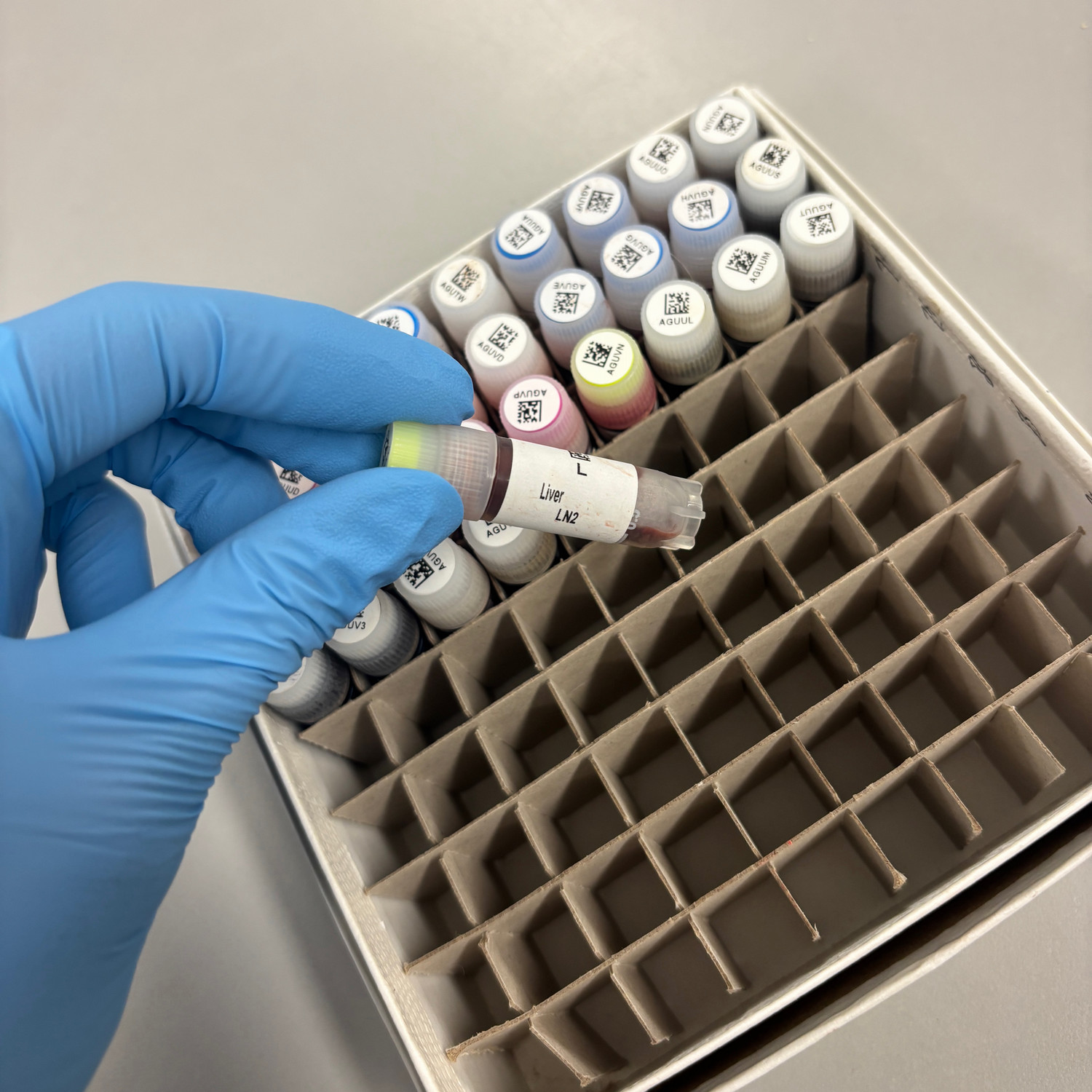
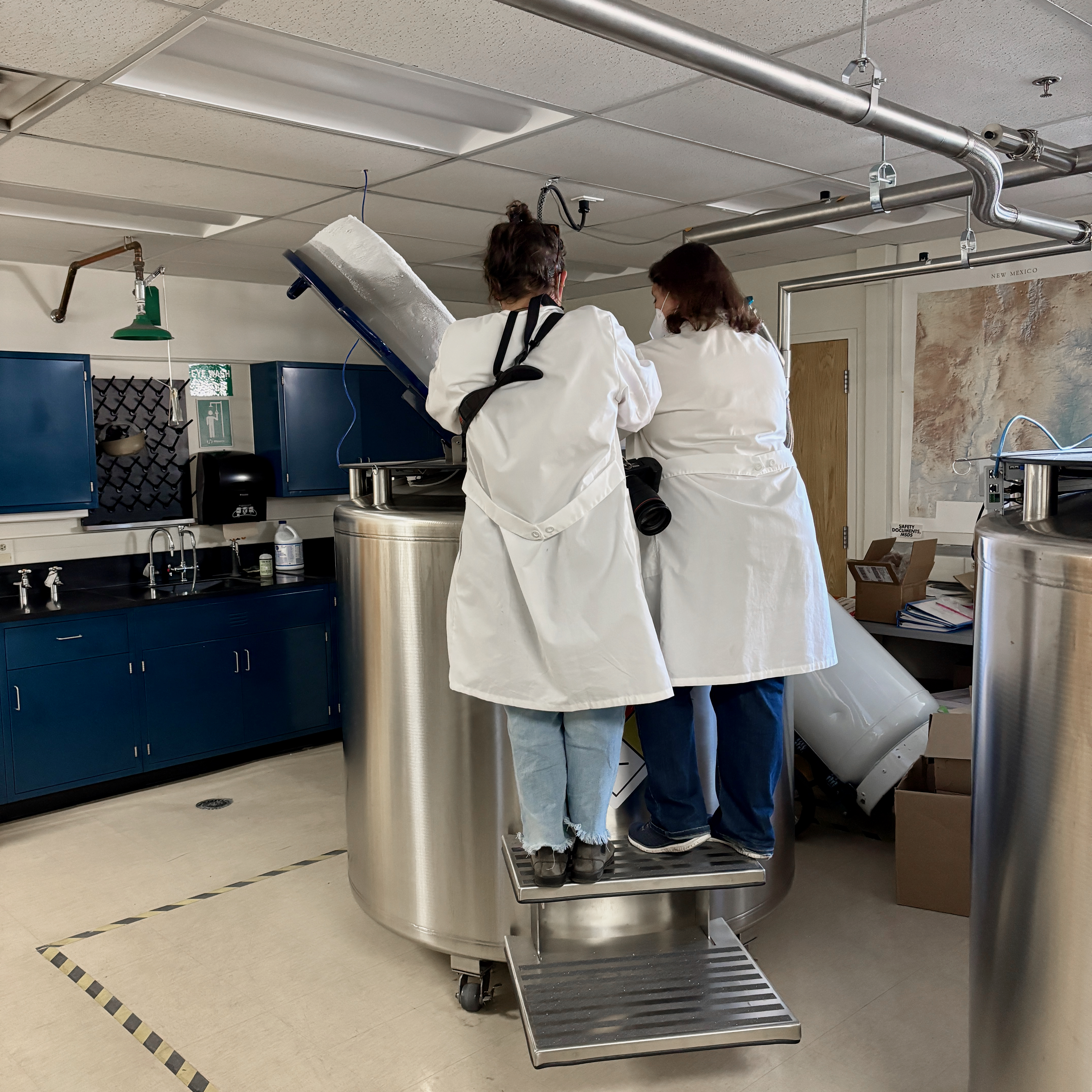
Collection data, coordinates, and species trait data are uploaded to Arctos database. This model of holistic specimen preparation allows museums to build comprehensive networks of data that enhance ongoing and future research opportunities. It’s vital to properly maintain and document collections to make historical data available for future research questions.
Recent environmental contamination research at Holloman Air Force Base (HAFB) was a perfect example of why museum collections are so important. In order to answer questions on PFAS levels in organisms around Holloman Evaporation Lake, MSB researchers were able to draw on rodents from the collection to add a temporal component to their study.
The specimens they included were collected on HAFB in the 1990s and skeletons, skins, and tissues were archived in the MSB. At the time of collection, the rodents specimens were supporting research on emerging pathogens, specifically Sin nombre hantavirus. Nearly three decades later these specimens were able to support new research in the field of environmental contaminants.
Recent environmental contamination research at Holloman Air Force Base (HAFB) was a perfect example of why museum collections are so important. In order to answer questions on PFAS levels in organisms around Holloman Evaporation Lake, MSB researchers were able to draw on rodents from the collection to add a temporal component to their study.
The specimens they included were collected on HAFB in the 1990s and skeletons, skins, and tissues were archived in the MSB. At the time of collection, the rodents specimens were supporting research on emerging pathogens, specifically Sin nombre hantavirus. Nearly three decades later these specimens were able to support new research in the field of environmental contaminants.
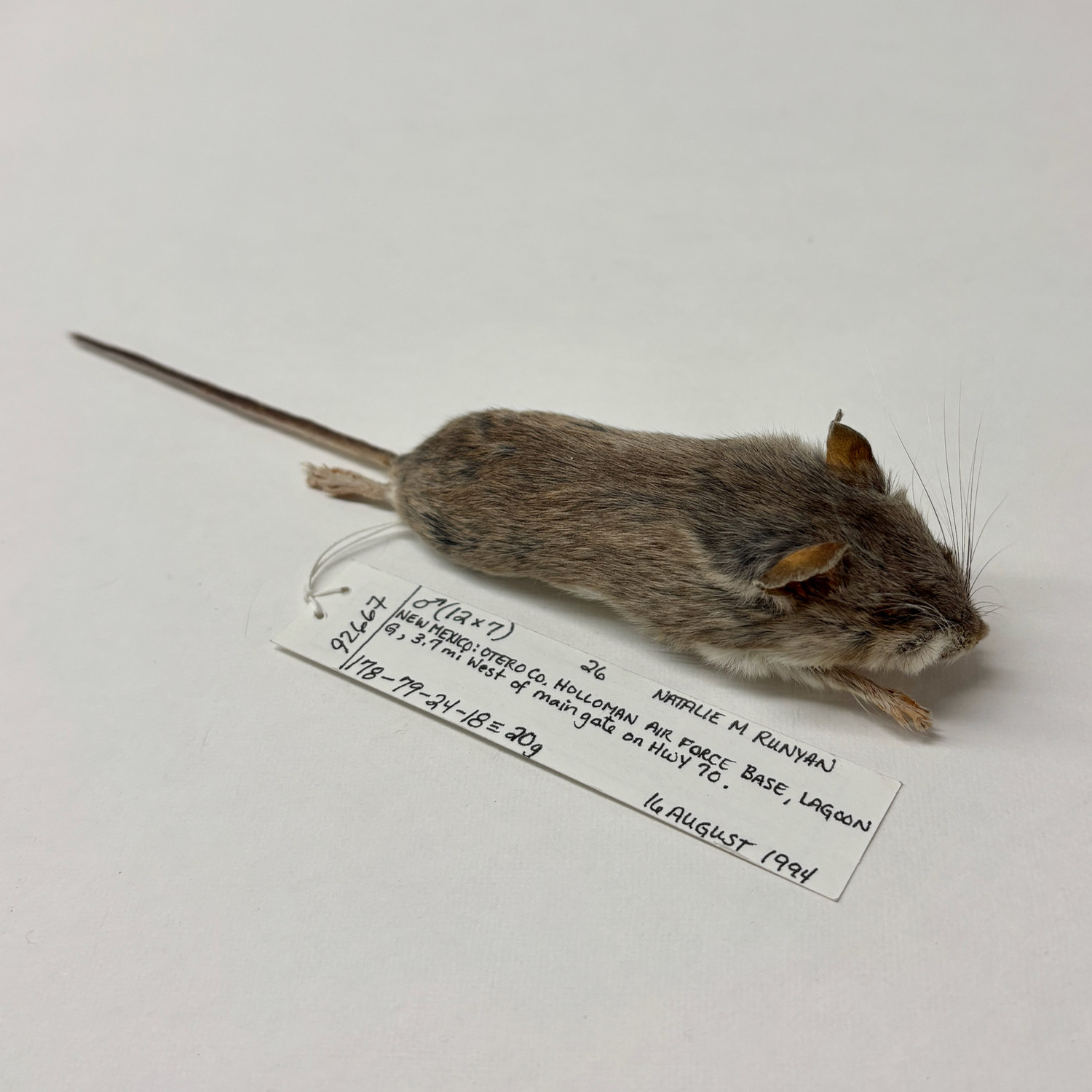
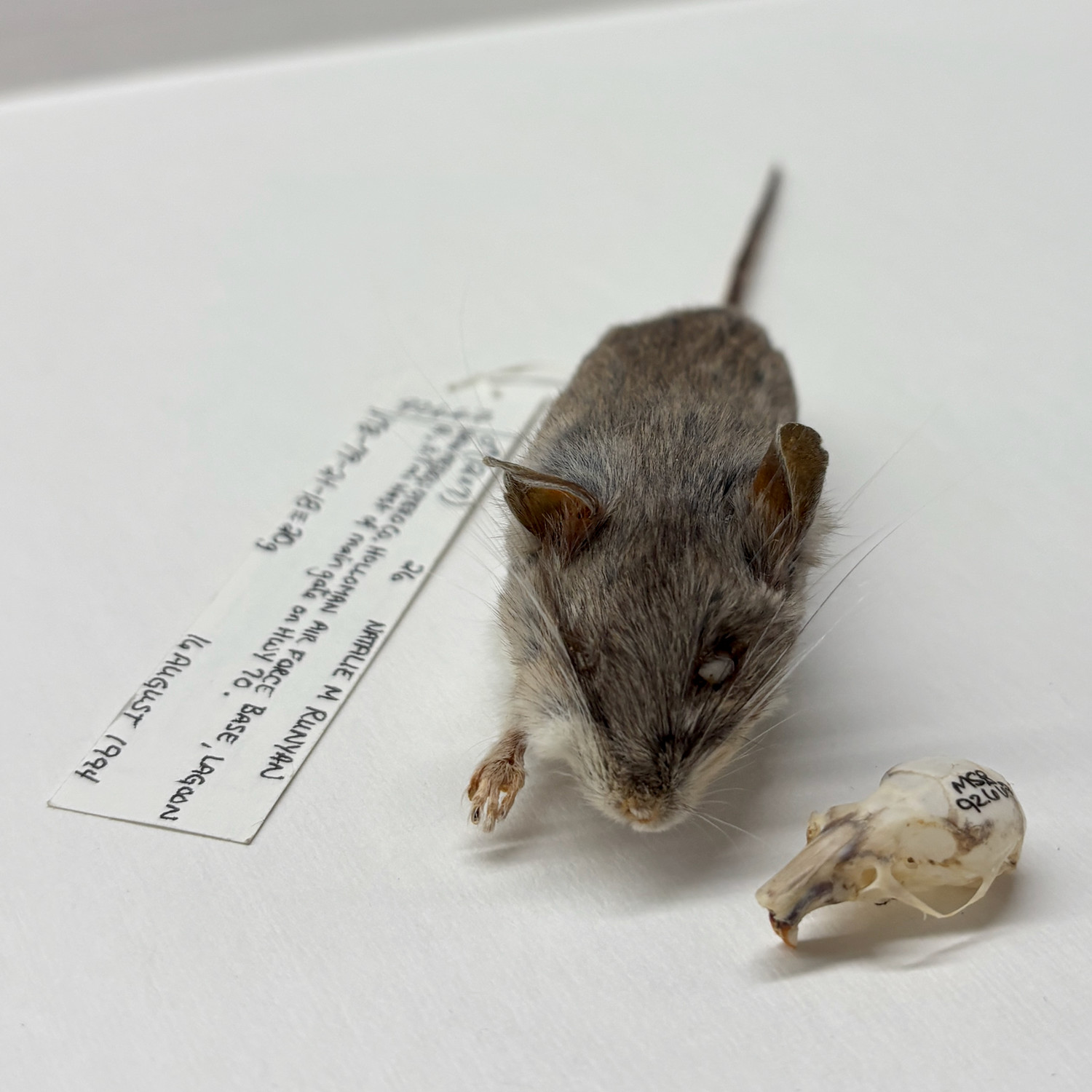
These specimens were important because they were collected on base and could provide data from a locality researchers could no longer access. While scientists were permitted to collect specimens on HAFB property in the early 1990s for pathogen surveys, they were not allowed to sample the base in 2024. Therefore, the historical specimens provided a record for a geographic region that would have otherwise gone untested. One white-footed mouse (Peromyscus leucopus) MSB 92667 had the highest PFOS levels of the initial survey at 97,000 ng/g. It’s actually one of the highest ever recorded in a mammal and it demonstrates how historical specimens document not only temporal breadth, but extreme contamination levels.